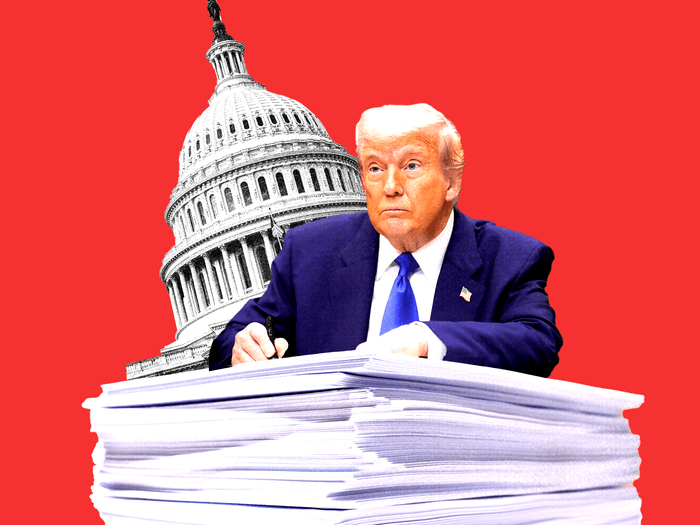
The Republican-controlled House recently passed the Big Beautiful Bill, a comprehensive package that reflects many of Donald Trump’s tax and spending priorities. The bill now moves to the Senate and further adjustments are expected. This legislation has significant implications for both the national economy and specific states like Florida.
Key Provisions of the Bill
For starters, the bill extends the tax cuts from 2017 through 2028, including increases to the standard deduction for individuals and families. New tax deductions are introduced, such as exemptions on income from tips, overtime pay, and interest on loans for cars assembled in the U.S. These new deductions will expire alongside the tax cuts at the end of 2028.
For residents in states with high state and local taxes, the bill raises the SALT deduction cap from $10,000 to $40,000 annually. It also allocates substantial funding to Immigration and Customs Enforcement (ICE) for detention, deportation operations, and border security infrastructure. At the same time, the bill is proposing cuts to Medicaid and SNAP. Moreover, it is adding new work requirements that may affect enrollment.
Furthermore, the bill phases out several of the clean energy tax incentives enacted during the Biden administration, including credits for electric vehicles and renewable energy projects.
Finally, the legislation raises the federal debt ceiling by $4 trillion to accommodate government borrowing needs.
Economic Impact and Deficit Considerations
The White House argues that the bill will stimulate economic growth and wage increases sufficient to offset some of the costs. However, analyses from the Congressional Budget Office (CBO) and other independent groups suggest that the tax policies alone could increase the federal deficit by nearly $3.8 trillion over ten years, with only modest projected GDP growth.
The U.S. government’s credit rating was recently downgraded. This reflects concerns about the growing debt burden and fiscal sustainability.
Effects on Florida
Florida residents will experience certain direct and indirect effects from this legislation. While the expanded SALT deduction primarily benefits taxpayers in states with income taxes, other provisions, such as increased immigration enforcement funding, could impact Florida’s diverse population.
Proposed cuts to Medicaid and SNAP may affect millions of Floridians who rely on these programs for healthcare and nutrition assistance. Simultaneously, the rollback of clean energy incentives may influence Florida’s ongoing efforts to address climate-related challenges such as rising sea levels and extreme weather events.
National Debt and Borrowing Costs
The U.S. national debt currently exceeds $36 trillion, and many speculate that this bill would add to that total. Interest payments on the debt now surpass the defense budget, which could constrain federal spending on education, infrastructure, and other priorities.
Higher federal borrowing can lead to increased interest rates, which in turn may raise costs for mortgages, car loans, and business financing. These are factors that affect the everyday expenses of Americans and the broader economy.
Additionally, concerns remain about the long-term implications of growing debt levels. Specifically, a debt crisis means that investors will lose confidence.
Conclusion
In all, the Big Beautiful Bill sets out a clear policy direction with lasting impacts on taxation, social programs, immigration enforcement, and energy policy. Its passage reflects ongoing debates about fiscal responsibility, economic growth, and the priorities of government spending.
For Florida, the legislation’s effects will be felt in various ways, from public assistance programs to environmental policy. As the bill moves through the Senate, its final form and impact will continue to evolve, underscoring the importance of monitoring these developments closely.

 Criminally Informed
Leave a comment